Last reviewed November 12, 2026 by Vancouver Picks Editorial Team
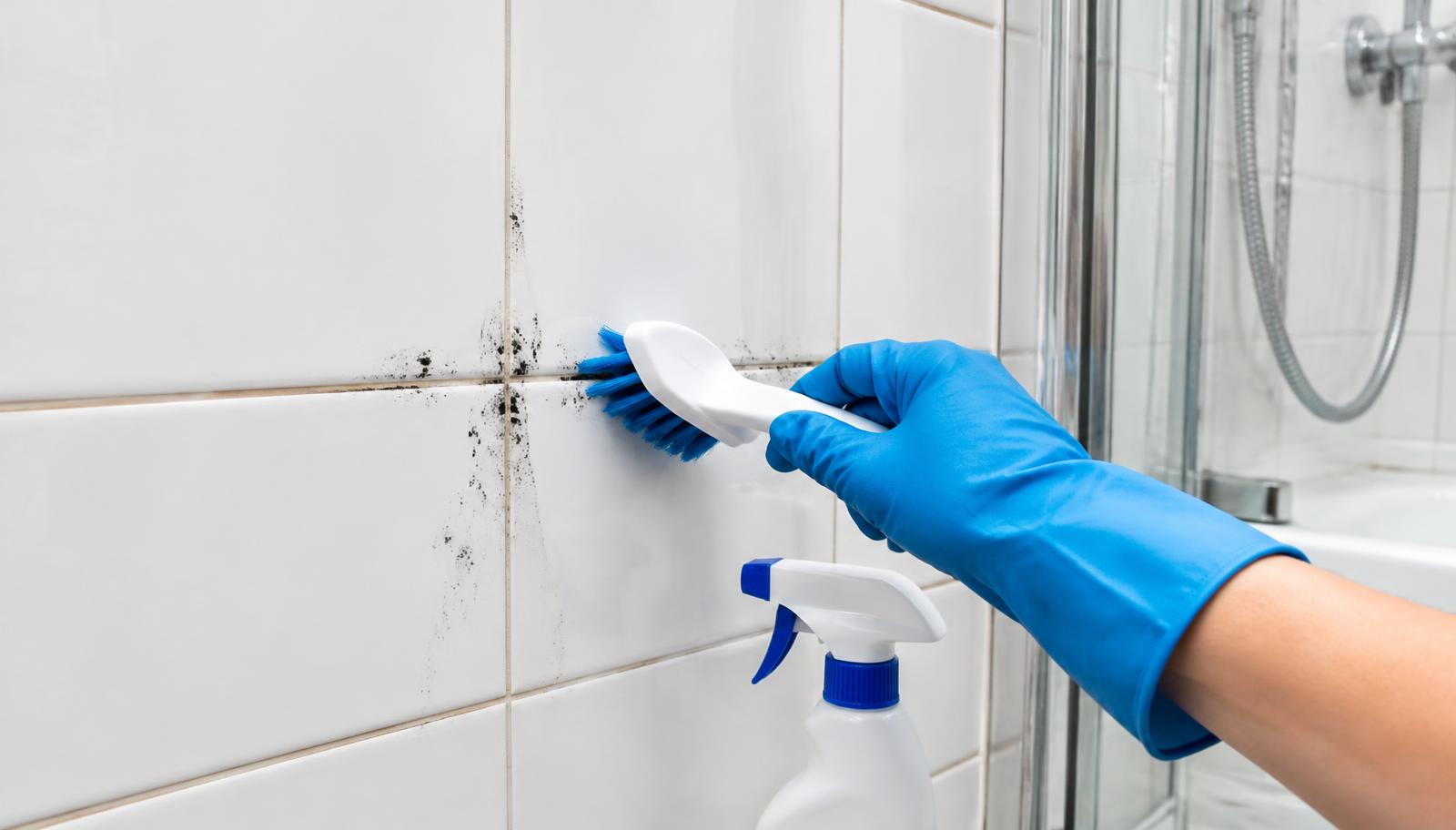
First: how big is the problem?
Health Canada's guidance is that small amounts of mould can be cleaned with dish soap and water, and you don't need bleach. Large areas, or mould that keeps coming back, are a sign of a moisture problem and are a job for a professional. As a rule of thumb, if the patch is larger than about a square metre, or you see mould inside walls or under flooring, call a pro.
What you'll need
- Rubber gloves and safety glasses
- A disposable dust mask (N95 recommended)
- Unscented dish soap and warm water
- A stiff brush or old toothbrush for grout
- Microfibre cloths
- Optional: white vinegar or a store-bought bathroom mould cleaner (never mix cleaners, and never mix bleach with vinegar or ammonia)
Step-by-step: cleaning tile, grout and surfaces
- Ventilate. Turn on the exhaust fan and open a window.
- Protect yourself. Gloves, glasses and a mask on.
- Scrub with soapy water. Work the brush along grout lines and around fixtures.
- Rinse and dry thoroughly. Mould loves leftover moisture; dry with a clean cloth.
- Repeat for stubborn spots. Some stains on porous grout remain after the mould is gone; a grout pen or sealer can refresh the look.
Caulking: replace, don't scrub
If black spots are inside the silicone caulking around the tub or shower, cleaning won't reach them. Cut out the old caulk with a utility knife, clean and dry the joint completely, then apply a fresh bead of mould-resistant silicone and let it cure for the time on the tube before using the shower.
Ceilings and painted walls
Wipe gently with soapy water; don't soak drywall. If paint keeps peeling or the stain returns quickly, the ceiling may be getting moisture from a weak fan or a leak above. Repaint with a bathroom-rated, mould-resistant paint only after fixing the cause.
How to keep mould from coming back
- Run the fan during showers and for 20–30 minutes after
- Squeegee glass and tile after showering
- Hang towels and bath mats to dry fully
- Fix dripping taps and leaking seals promptly
- Keep overall home humidity under control (see our humidity guide)
When to call a professional
Call a restoration or remediation company if mould covers a large area, smells musty behind walls, follows a leak or flood, or keeps returning. If you rent, tell your landlord in writing. Use the form on this page to request quotes from local pros.
Frequently asked questions
Is bleach the best way to kill bathroom mould?
Not necessarily. Health Canada says small amounts can be cleaned with dish soap and water. Bleach can discolour surfaces and must never be mixed with other cleaners.
Why does mould keep coming back on my caulking?
Mould grows into silicone and cannot be scrubbed out. Remove and replace the caulking, then improve ventilation.
Is black mould dangerous?
Any mould can irritate eyes, nose and throat and worsen asthma. Clean small patches promptly and get professional help for large areas.
Looking for water damage restoration companies?
See water damage restoration companies across Metro Vancouver →